When the weather turns cold, millions of Californians plug in a portable space heater. Most of the time, they work as intended. But when a heater has a design flaw, a manufacturing defect, or missing safety features, it can overheat, ignite nearby objects, or start a fire in minutes.
If you or a loved one was burned by a space heater that malfunctioned during normal use, you may be able to recover compensation from the companies that made or sold it.
Burned by a Defective Space Heater in California?
A heater should keep you warm, not put you in the hospital. If a heater overheated, sparked, or caught fire during normal use, the attorneys at Adamson Ahdoot can help you understand your legal options. Call (866) 645-4992 for a free case evaluation.
How Defective Space Heaters Cause Burn Injuries
Space heaters concentrate a lot of heat in a small appliance. When a safety system fails, the results can be severe.
Overheating and Fire
A faulty thermostat or heating element can push a heater far past safe temperatures. Plastic housings can melt, and curtains, bedding, or furniture nearby can catch fire.
Tip-Over Switch Failures
Most modern heaters are designed to shut off automatically if they are knocked over. When this switch fails, a fallen heater can keep running against a carpet or floor.
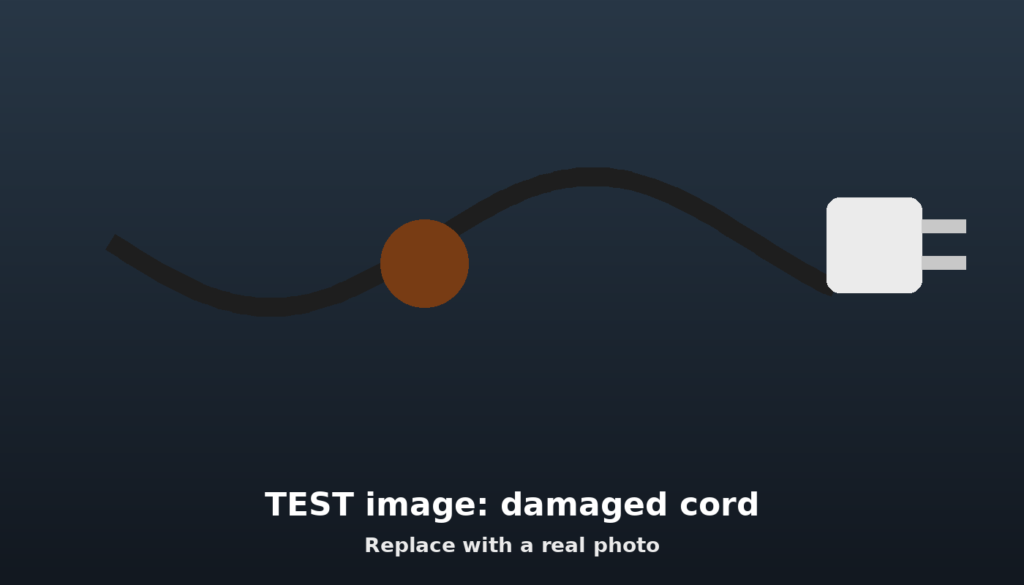
Damaged Cords and Plugs
Undersized wiring, weak connections, or poor insulation can cause cords and plugs to overheat, spark, or melt.
Common injuries from space heater accidents include:
- Thermal burns
- Smoke inhalation
- Electrical shock
- Scarring and disfigurement
Who May Be Liable for a Defective Space Heater?
California follows strict product liability. This means an injured person generally does not have to prove the company was careless, only that the product was defective and that the defect caused the injury.
Manufacturers
The company that designed or built the heater may be responsible for design defects, manufacturing defects, or a failure to warn about known dangers.
Distributors and Retailers
Under California law, companies in the chain of distribution, including stores and online sellers, may also be held responsible for selling a defective product.
Landlords and Property Owners
If a landlord supplied a heater they knew or should have known was unsafe, they may share responsibility for the resulting injuries.
What Evidence Helps a Space Heater Injury Claim?
Strong evidence makes it easier to show that the heater, not the way it was used, caused the harm. Useful evidence includes:
- The heater itself, kept in the condition it was in after the incident
- The receipt, packaging, and instruction manual
- Photos and videos of the heater, the room, and your injuries
- Medical records and bills
- Fire department or insurance reports
Expert Tips After a Space Heater Fire
2. Photograph everything. Take pictures of the heater, the outlet, and the area around it before anything is cleaned up.
3. Check for recalls. Search the U.S. Consumer Product Safety Commission website for your heater’s brand and model.
4. Talk to an attorney before speaking with insurers. Early statements can be used to shift blame onto you.
Frequently Asked Questions
Yes, potentially. If the heater had a defect that caused your injury, you may have a product liability claim against the manufacturer, distributor, or seller.
California uses a pure comparative fault system. Even if your own actions played a part, you may still recover compensation, reduced by your share of fault.
Most personal injury claims must be filed within two years of the injury under Code of Civil Procedure section 335.1. Property damage claims generally have three years.
No. A recall can be helpful evidence, but a heater can be defective even if it has never been recalled.
Protecting Your Rights After a Space Heater Injury
A burn injury can mean painful treatment, time away from work, and lasting scars. When a defective product is to blame, the companies responsible should be held accountable.
The team at Adamson Ahdoot can review what happened, identify who may be liable, and explain your options. Call (866) 645-4992 for a free case evaluation.
Author: Alan Ahdoot